
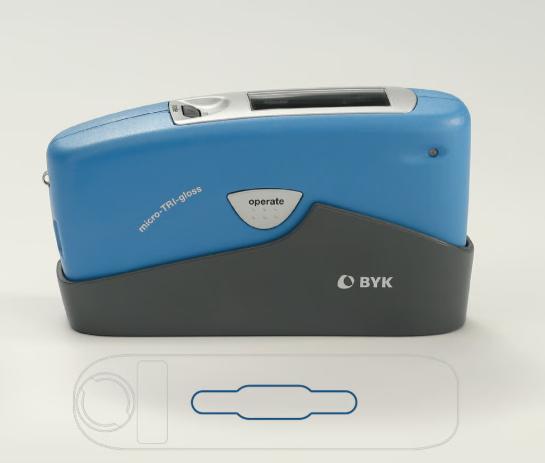
How to choose a gloss meter: single-angle or three-angle?
Single-angle (micro-gloss) or three-angle 20/60/85° (micro-TRI-gloss)? A buyer's guide by needs, features, standards and service.
Read more →Technical guides, application notes and product updates — to help you choose the right materials and instruments for each application.
Single-angle (micro-gloss) or three-angle 20/60/85° (micro-TRI-gloss)? A buyer's guide by needs, features, standards and service.
Read more →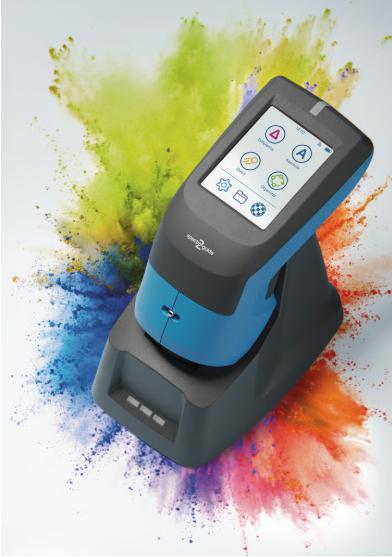
SCI includes gloss, SCE excludes it — understand both to control formulation and final appearance.
Read more →
Two samples match under one light source but differ under another — the causes and how to control it with multiple illuminants.
Read more →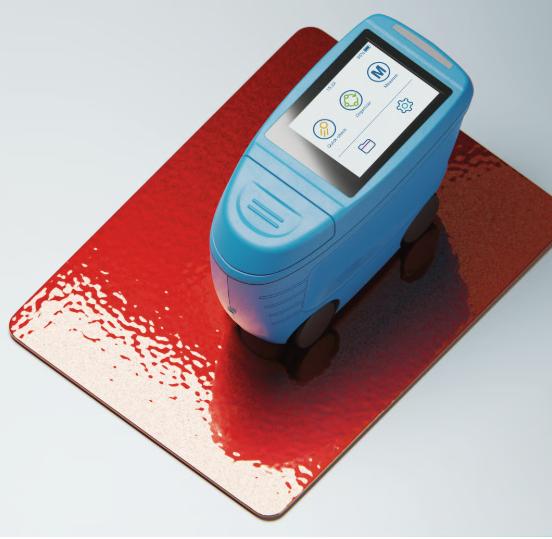
DOI measures how sharply a reflected image appears on high-gloss surfaces — when to measure it and with what instrument.
Read more →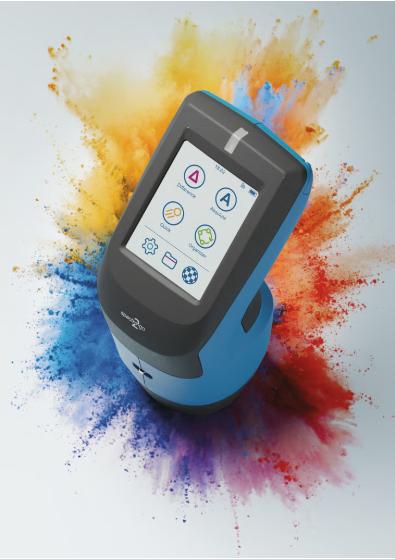
Portable vs benchtop compared — accuracy, sample types and when to use each, with recommended BYK-Gardner instruments.
Read more →
Comparing BYK-Gardner Spectro2guide and Spectro2go: fluorescence, smart-chart software, features and when to upgrade. Ad…
Read more →
Comparing BYK-Gardner handheld colour instruments Spectro2go and Color2go: features, gloss, software and when to choose …
Read more →
What to weigh up when selecting a color-measurement instrument for your QC lab.
Read more →
Wave-scan measures orange peel, waviness and DOI on high-gloss surfaces — when gloss alone doesn't reflect appearance qu…
Read more →
The ISO 2813 rule for picking a gloss angle — when to use 60°, 20° or 85°, and whether to buy a single- or triple-angle meter.
Read more →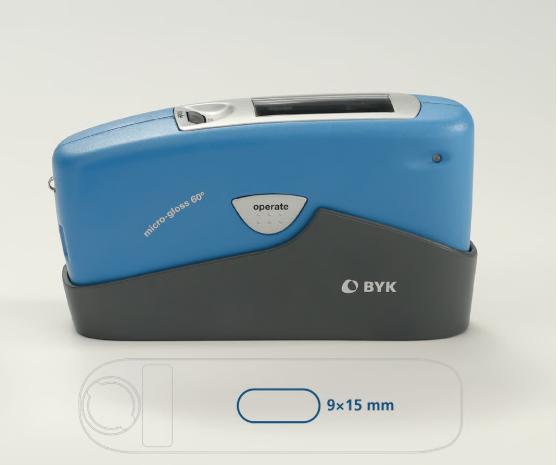
The 7 criteria that really matter when choosing a gloss meter, and when to pick a reference-grade instrument over a budget one.
Read more →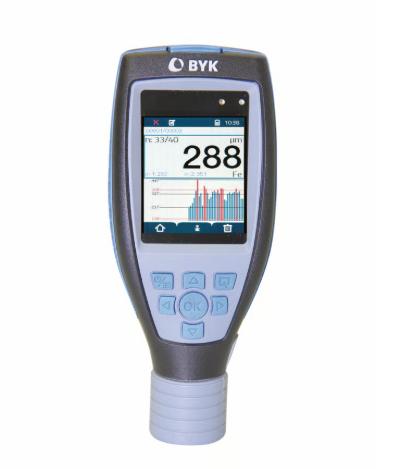
How to choose a coating thickness gauge: by substrate (magnetic Fe / non-ferrous NFe / non-metal), non-destructive vs de…
Read more →
What is ΔE (Delta E): a single number for colour difference between two samples, the difference between ΔE*ab and ΔE00, …
Read more →
45°/0° vs d/8° colour geometry compared: differences, pros and cons, and how to choose by application (appearance vs for…
Read more →
The workflow for matching a repair panel to the car's factory color — and how color instruments cut down on re-spraying.
Read more →
d/8° colour geometry explained (integrating sphere): diffuse illumination, 8° viewing, with SCI/SCE to include or exclud…
Read more →
45°/0° colour geometry explained: illuminate at 45°, view at 0°, excludes gloss — results close to how the eye sees colo…
Read more →
From raw materials to process — and how to keep color consistent.
Read more →